What Nature Teaches When We Stop Controlling the Outcome
There is something deeply humbling about working with nature as part of a creative practice.
When we begin, it can be tempting to approach the process with a clear picture in mind. We want the print to be crisp, the colour to be strong, the leaves to leave their perfect shapes behind. We want to understand the recipe, follow the steps, and arrive at a beautiful result. That is such a natural instinct. We are used to thinking that if we do everything correctly, we should be able to control the outcome.
But nature does not always work that way.
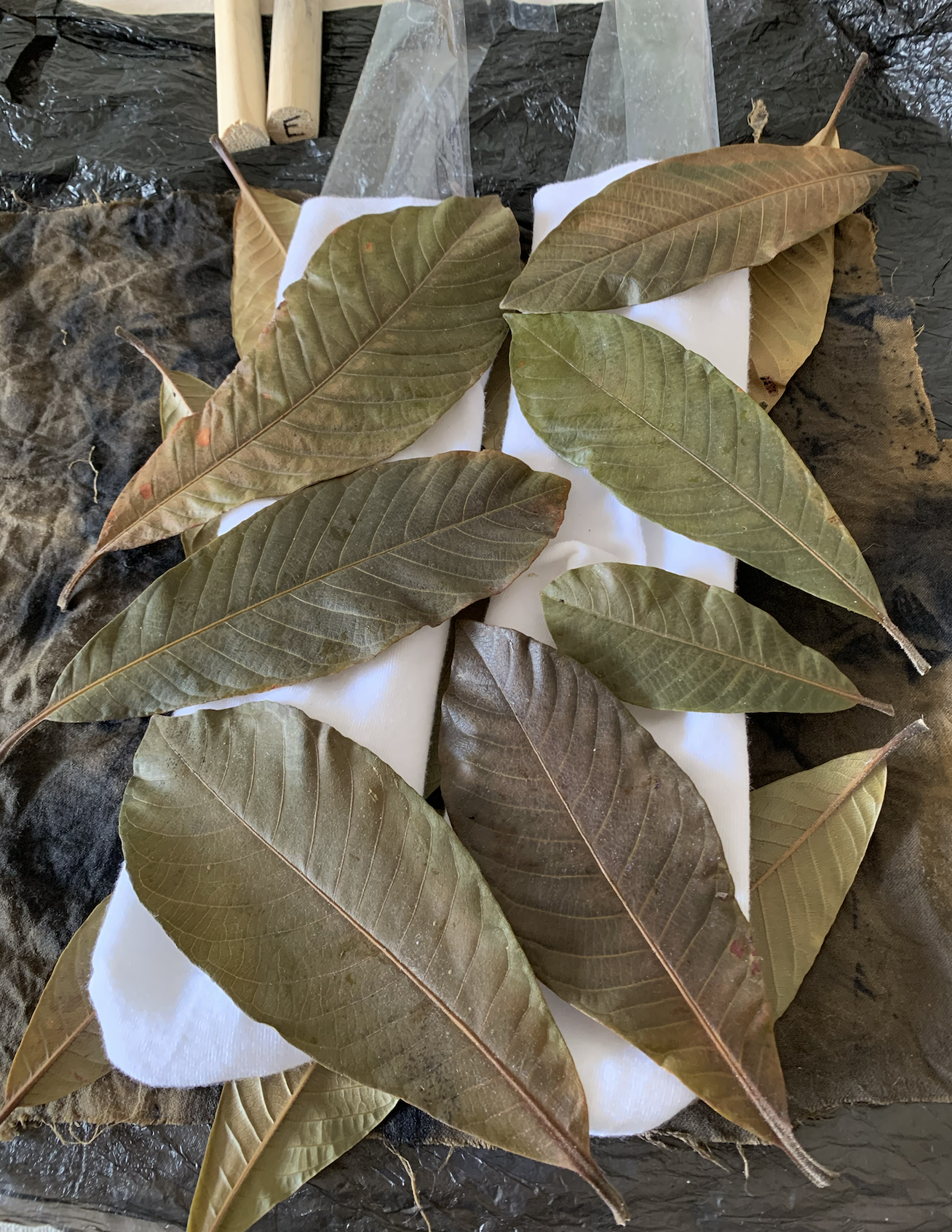
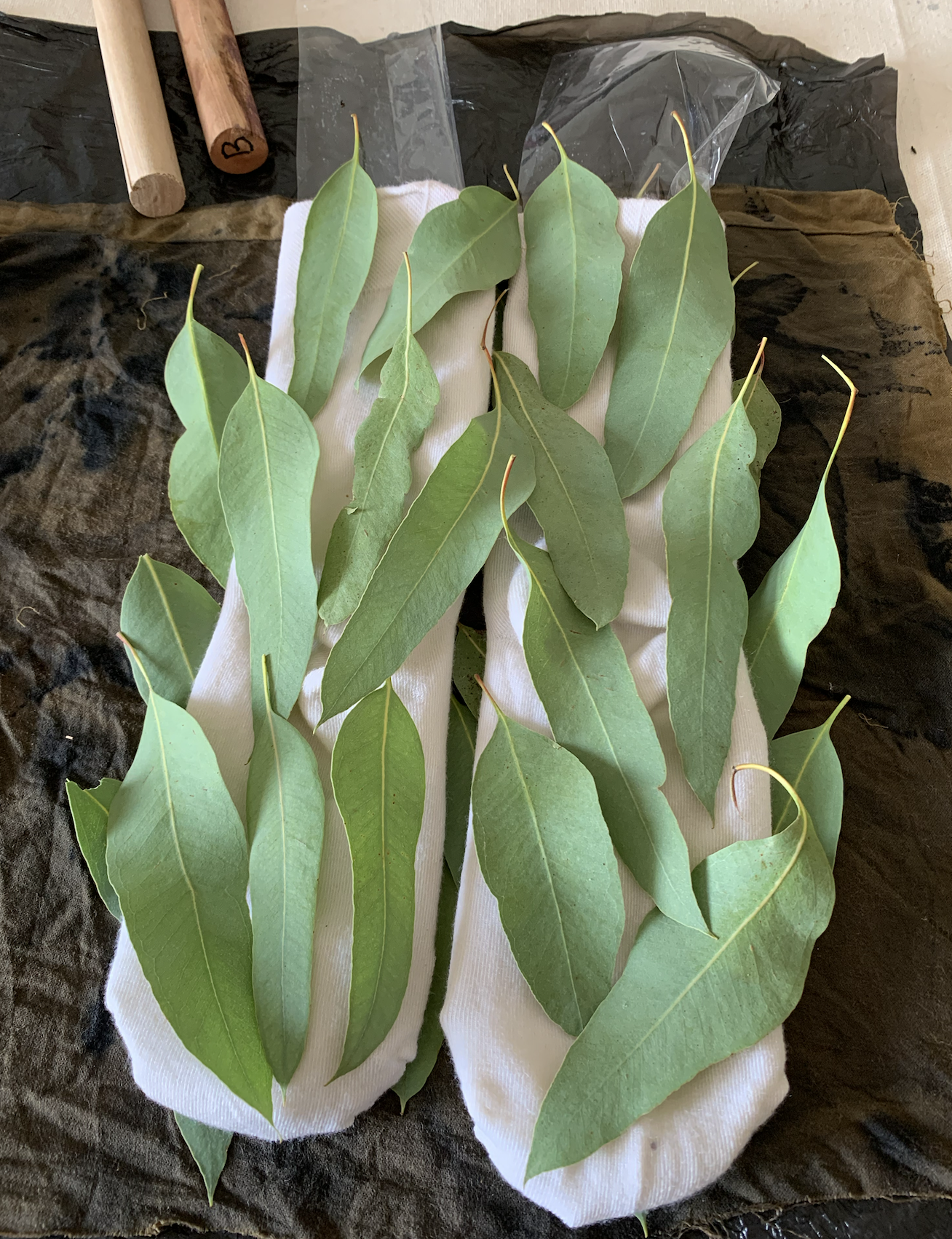
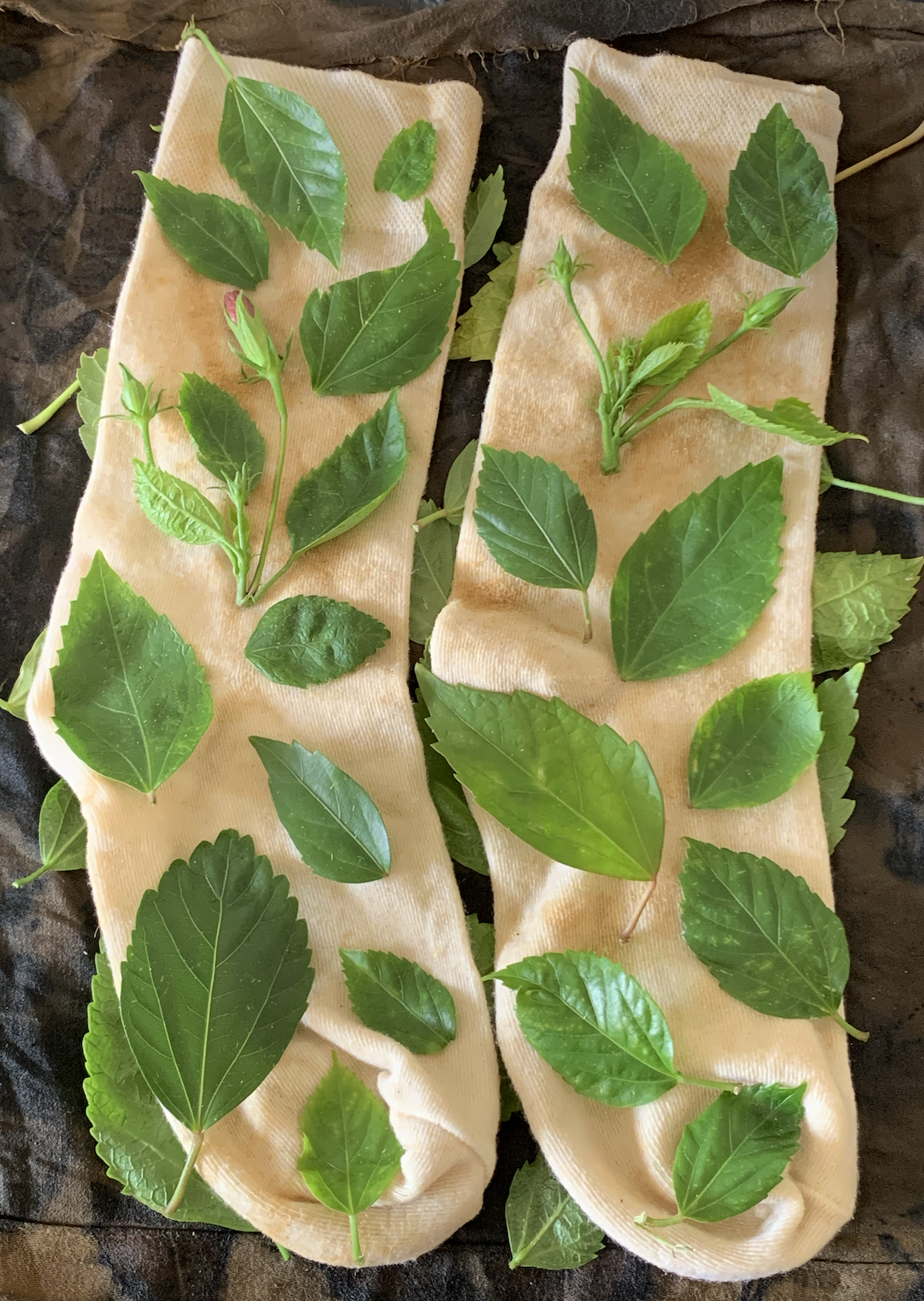
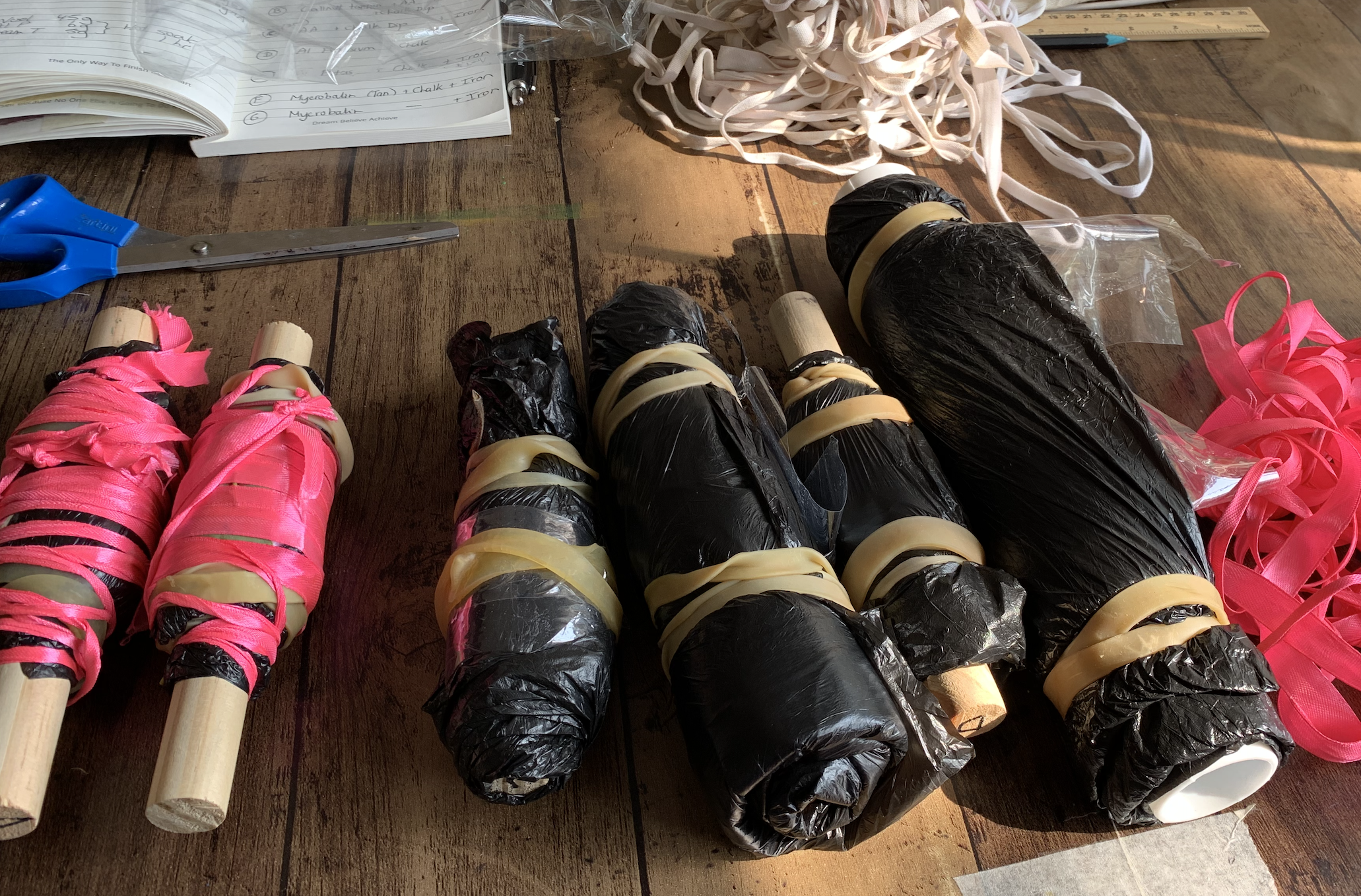
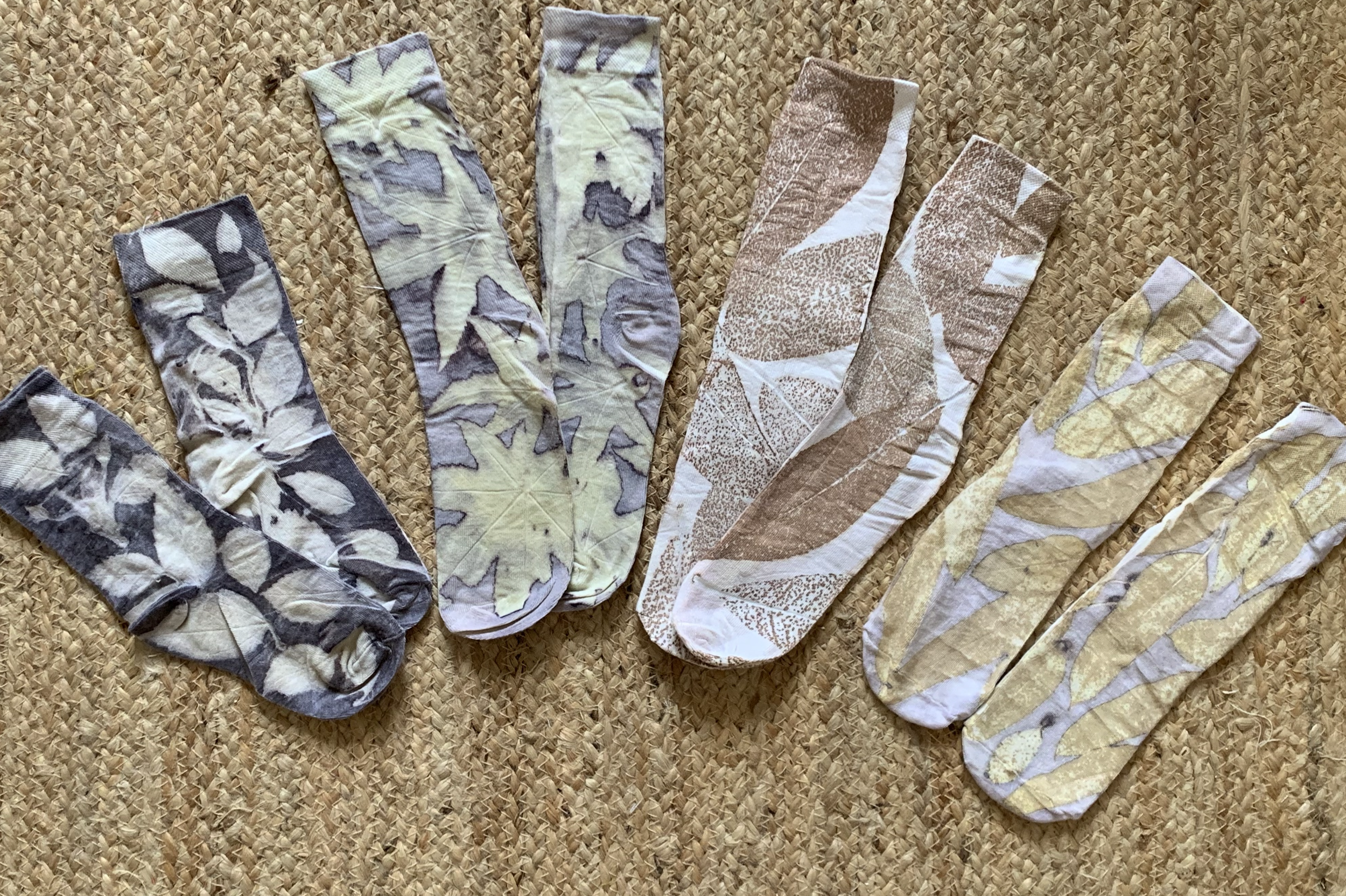
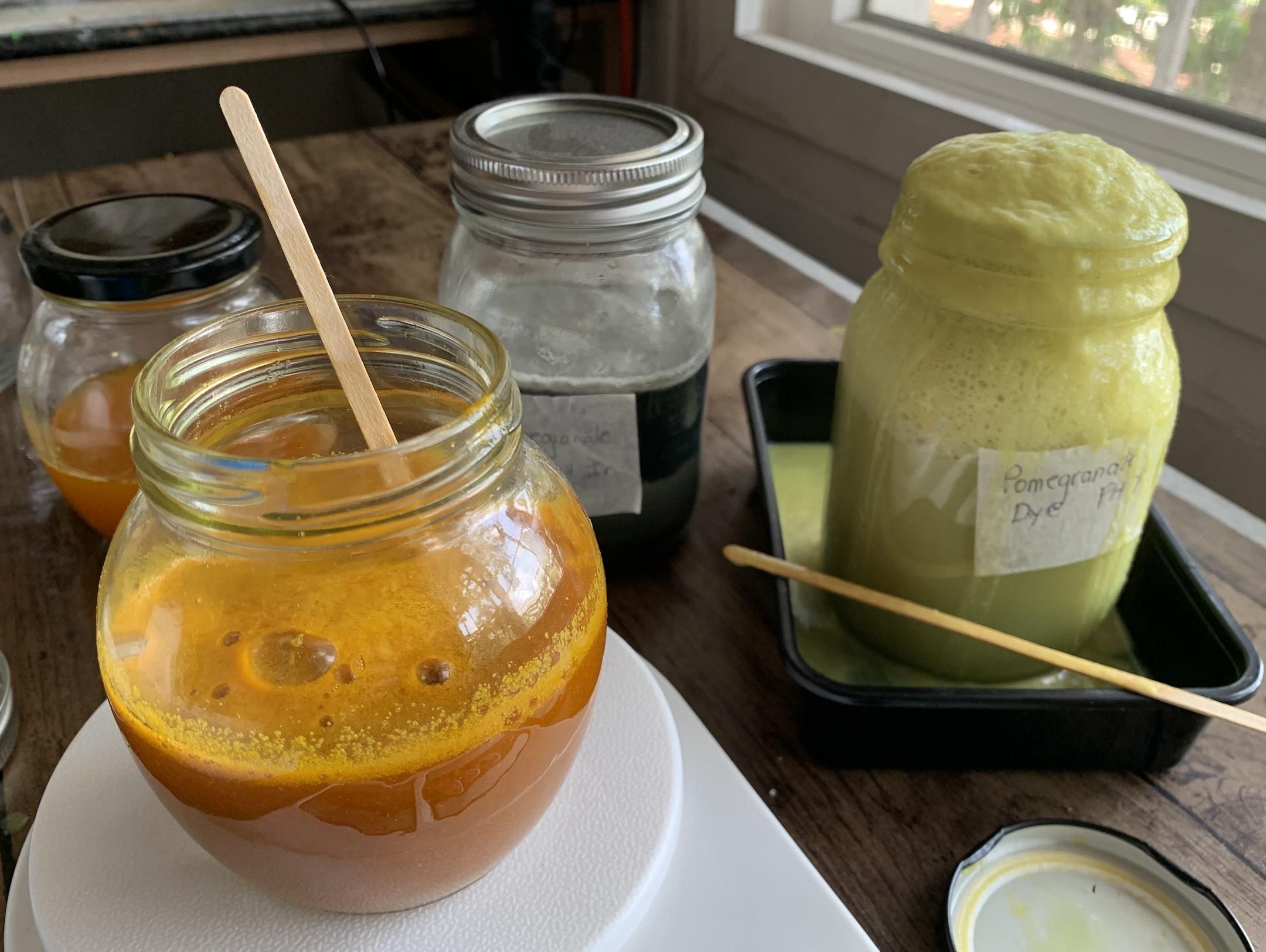
That is one of the things I have been learning more and more deeply through natural dyeing, eco-printing, and botanical printing. You can prepare carefully. You can choose your leaves with intention. You can experiment with water, heat, tannin, iron, pressure, time, and cloth. And still, what emerges will carry its own mystery. Some leaves print beautifully. Some disappear. Some offer colour you did not expect. Some leave behind delicate details, while others blur and soften into something entirely different.
At first, this can feel frustrating. Especially if you are trying to make sense of a process, improve your technique, or create something that matches the image you had in your mind. But slowly, if you stay with it, the process begins to teach you something deeper.
It teaches you to pay attention.
It asks you to notice rather than assume. To become more observant of the leaves you are using, the season they came from, the condition of the cloth, the subtle differences in process, and the ways nature responds in her own timing. You begin to realise that this is not simply about making something. It is about entering into relationship.
And relationship is never about control.
When we work with nature, we are not commanding a result. We are listening, responding, learning, adjusting. We are discovering that creativity can be a conversation rather than an act of mastery. The leaves, the cloth, the water, the weather, the minerals, the heat, they all become part of the exchange. They all have something to say.
There is something profoundly mindful about that.
So much of life becomes difficult because we cling tightly to how we think things should look. We create expectations. We hold onto our preferred outcome. We feel disappointed when life unfolds differently. Yet nature keeps offering another way. A quieter way. A wiser way.
Nature shows us that beauty does not always arrive through force. Sometimes it comes through allowing. Through watching carefully. Through letting go of the need to control every stage of the process and becoming willing instead to meet what is actually here.
That does not mean there is no skill involved. It does not mean we stop learning, refining, or trying again. Quite the opposite. We bring care. We bring curiosity. We bring knowledge and attention. But we also bring humility. We recognise that not everything can be forced open. Some things reveal themselves only when approached with patience and respect.
I think this is one of the reasons I feel so drawn to working with natural materials. They bring me back into a more honest relationship with the world. They remind me that life is not always neat, predictable, or fully manageable. They remind me that presence matters more than perfection. They remind me that discovery often begins where certainty ends.
And perhaps that is why this process feels like more than art.
It feels like practice.
A practice of slowing down enough to notice.
A practice of letting go of rigid expectations.
A practice of staying open to surprise.
A practice of learning to trust that something meaningful can still emerge, even when it looks different from what we imagined.
In that sense, every leaf has something to teach.
Not only about colour or tannin or shape or print, but about the way we move through life itself. How often do we try to press life into a pattern we have already decided upon? How often do we miss the quiet beauty of what is unfolding because it does not match the picture in our mind?
Nature does not seem concerned with our plans in that way. She invites us into something more alive. More responsive. More relational. More real.
And when we stop trying to control the outcome, something shifts.
We soften.
We listen.
We become more present.
What emerges may not always be what we expected.
But very often, it carries its own kind of beauty.
And sometimes, it is more beautiful because it arrived through surrender.